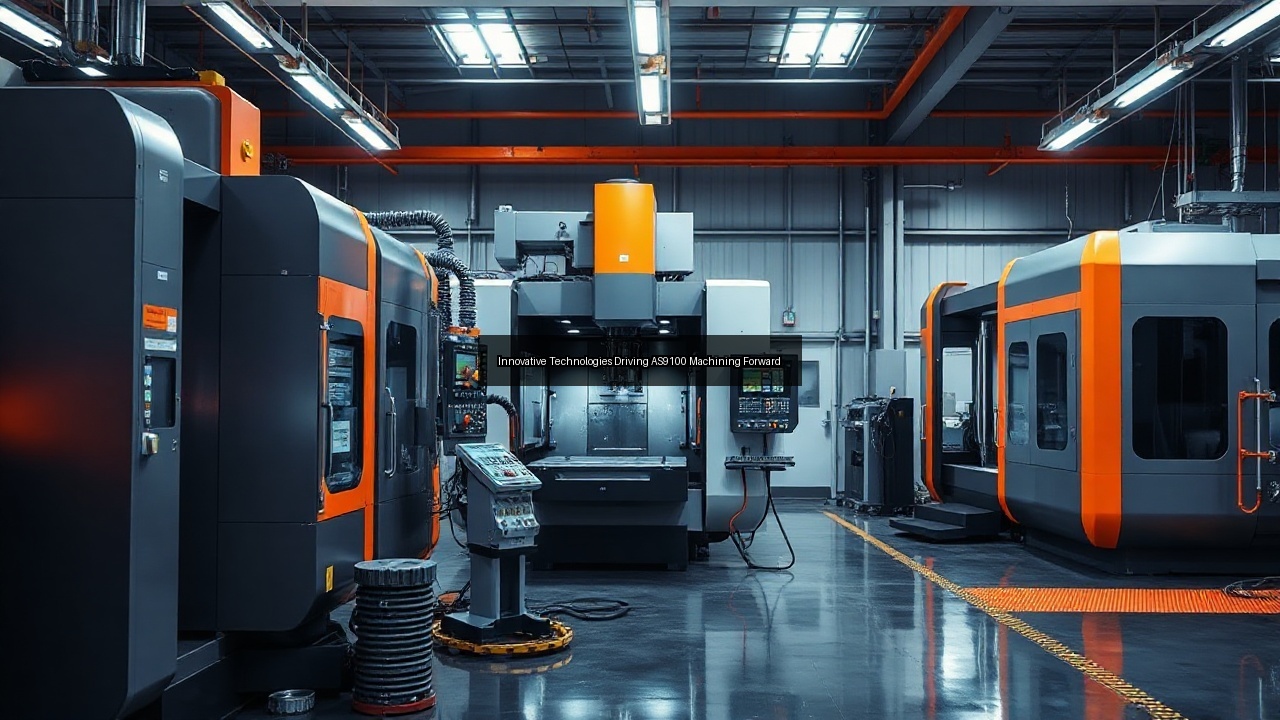
Innovative Technologies Driving AS9100 Machining Forward
The Role of AS9100 in Aerospace Machining
Understanding AS9100 Certification
AS9100 certification represents a pivotal quality management standard tailored specifically for the aerospace industry. It encompasses the unique requirements of aerospace manufacturers, ensuring that organizations meet rigorous quality standards in their machining processes. Achieving this certification is not merely a formality; it signifies a commitment to excellence, safety, and reliability in aerospace engineering. The certification integrates ISO 9001 standards, but adds additional criteria relevant to the complexities of aerospace manufacturing. This robust framework aids manufacturers in streamlining operations, enhancing product quality, and ensuring compliance with regulatory requirements, positioning them competitively in the global aerospace market.
The Importance of ISO 9001 Standards in Aerospace
ISO 9001 standards lay the foundation for quality management systems across various industries, including aerospace. These standards emphasize consistent quality and customer satisfaction, critical elements in aerospace machining and manufacturing. They provide guidelines for organizations to enhance their processes, reduce waste, and improve operational efficiency. In the context of AS9100 certification, ISO 9001 serves as the baseline, ensuring that aerospace manufacturers maintain a high level of quality in their products. By adhering to these standards, manufacturers can demonstrate their commitment to continuous improvement and customer satisfaction, vital aspects in an industry where precision and reliability are non-negotiable.
Key Differences Between AS9100 Rev D and ISO 9001
AS9100 Rev D introduces several key differences from ISO 9001, tailored specifically for the aerospace sector. While both certifications focus on quality management, AS9100 Rev D incorporates additional requirements related to safety, risk management, and product traceability, which are critical in aerospace applications. For example, AS9100 emphasizes the importance of configuration management and the management of outsourced processes, which are essential given the complexity and critical nature of aerospace components. Furthermore, the AS9100 standard requires organizations to demonstrate compliance with regulatory and safety requirements specific to the aerospace industry, ensuring that aerospace manufacturers uphold the highest standards of quality and reliability.
Innovative Technologies Transforming Machining Processes
Advancements in CNC Machining for Aerospace Manufacturing
CNC machining has revolutionized aerospace manufacturing, significantly enhancing precision and efficiency. Recent advancements in CNC technologies, such as multi-axis machining, allow for the creation of complex geometries that traditional machining methods struggle to achieve. Aerospace manufacturers can now produce intricate turbine components and satellite parts with unparalleled accuracy, reducing the risk of defects and rework. These advancements not only streamline production processes but also minimize material waste, contributing to more sustainable manufacturing practices. As the demand for lighter and stronger materials grows, CNC machining continues to evolve, incorporating innovations like adaptive machining and real-time monitoring to meet the ever-increasing standards of AS9100 machining.
Utilizing Metal Fabrication Techniques for Improved Quality
Metal fabrication techniques play a crucial role in enhancing the quality of aerospace components. Techniques such as laser cutting, welding, and bending allow manufacturers to create complex shapes and structures while maintaining tight tolerances. These processes contribute to the overall integrity and performance of aerospace parts, ensuring they can withstand the extreme conditions faced during flight. In the context of AS9100 machining, employing advanced metal fabrication techniques helps manufacturers comply with stringent quality assurance requirements. By leveraging these technologies, manufacturers can optimize their machining processes, reduce lead times, and improve product reliability, ultimately satisfying customer expectations and regulatory demands.
The Impact of Automation on Aerospace Machining Efficiency
Automation in aerospace machining significantly boosts efficiency and productivity. Automated machining processes reduce human error, ensuring consistent quality and precision in every part produced. Technologies such as robotic arms and automated inspection systems streamline production, enabling manufacturers to meet the high demands of AS9100 certification. Automation allows for faster cycle times and improved throughput, essential in an industry where every second counts. Furthermore, incorporating automation into machining processes simplifies the complexities of aerospace manufacturing, allowing engineers to focus on design and innovation. As manufacturers continue to embrace automation, they enhance their competitiveness in the aerospace sector, delivering superior products to meet customer requirements.
Materials and Their Significance in AS9100 Machining
The Use of Titanium and Aluminum Alloys in Aerospace Components
Titanium and aluminum alloys dominate aerospace manufacturing due to their favorable properties, such as high strength-to-weight ratios and corrosion resistance. Titanium, known for its exceptional strength and lightness, is often used in critical components like turbine blades and airframe structures. Aluminum alloys provide excellent machinability and are widely utilized in aircraft fuselages and wings. The selection of these materials is crucial in AS9100 machining, as manufacturers must ensure that every component adheres to strict quality standards and regulatory requirements. By utilizing titanium and aluminum alloys, aerospace manufacturers can create components that meet the rigorous demands of flight while enhancing overall performance and safety.
Understanding the Benefits of Steel and Stainless Steel in Manufacturing
Steel and stainless steel also play vital roles in aerospace machining, particularly in applications requiring durability and strength. Stainless steel, with its resistance to corrosion, is ideal for components exposed to harsh environments, such as engine parts and hydraulic systems. Its strength and fatigue resistance make it a preferred choice for safety-critical applications. Similarly, high-strength steel alloys provide the structural integrity needed for various aerospace components. The use of these materials aligns with AS9100 standards, ensuring that manufacturers produce reliable and high-quality products. As aerospace technology evolves, manufacturers continue to explore innovative steel formulations that enhance performance while meeting stringent quality standards.
Exploring the Role of Sheet Metal in Aerospace Designs
Sheet metal fabrication is integral to aerospace designs, providing versatility and strength in the manufacturing of various components. From aircraft skins to internal structures, sheet metal offers the flexibility needed for complex geometries and lightweight designs. Aerospace manufacturers utilize advanced techniques like hydroforming and stamping to create precise shapes while minimizing waste. In the context of AS9100 machining, the ability to produce high-quality sheet metal components is crucial for meeting stringent specifications and customer expectations. By leveraging advanced sheet metal fabrication methods, manufacturers enhance the performance and reliability of aerospace components, ensuring they meet industry standards and regulatory requirements.
Quality Control and Assurance in the Aerospace Industry
Implementing Effective Quality Management Systems
Effective quality management systems (QMS) are vital for ensuring compliance with AS9100 standards in aerospace machining. A well-structured QMS enables manufacturers to establish processes for monitoring and improving quality at every stage of production. By integrating methodologies like Six Sigma and Total Quality Management, organizations can identify inefficiencies and implement corrective actions proactively. Continuous improvement becomes the cornerstone of operations, fostering a culture of quality that permeates the organization. Manufacturers that prioritize a robust QMS not only achieve AS9100 certification but also enhance their reputation in the aerospace industry, securing customer trust and satisfaction.
The Role of Leadership in Ensuring Quality Standards
Leadership plays a critical role in upholding quality standards within organizations pursuing AS9100 certification. Effective leaders set the tone for a culture of quality by promoting accountability and encouraging employee engagement in quality initiatives. They provide direction and resources necessary for implementing quality management systems, ensuring that all employees understand their roles in maintaining standards. By fostering an environment that values continuous improvement and customer satisfaction, leaders help organizations achieve compliance with AS9100 and enhance overall performance. In the aerospace sector, strong leadership is essential for navigating the complexities of quality assurance and maintaining a competitive edge in a rapidly evolving market.
Evaluating Supply Chain Partners for AS9100 Compliance
Evaluating supply chain partners is crucial for maintaining AS9100 compliance in aerospace manufacturing. Manufacturers must ensure that their suppliers adhere to the same quality standards, as any lapse in the supply chain can compromise product integrity and safety. Implementing rigorous supplier evaluation processes helps manufacturers identify reliable partners who demonstrate a commitment to quality. This involves assessing suppliers' quality management systems, certifications, and performance metrics. By establishing strong relationships with compliant suppliers, aerospace manufacturers can enhance their overall quality assurance processes, ensuring that every component meets the stringent requirements of AS9100 certification and contributes to the reliability of the final product.